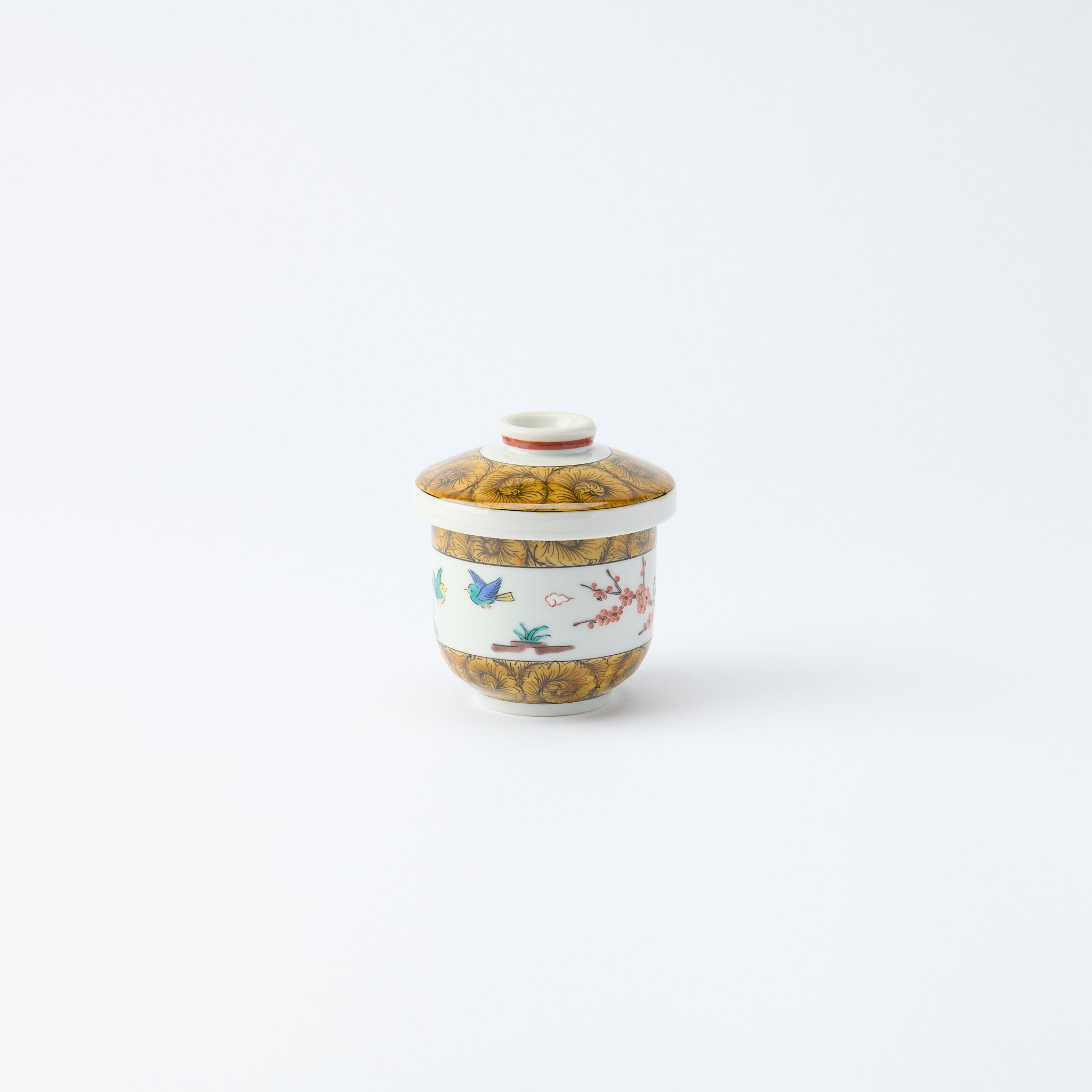
Ko-Kutani Flower and Bird Chawanmushi Bowl
Free shipping within Japan
Estimated Shipping Widget will be displayed here!
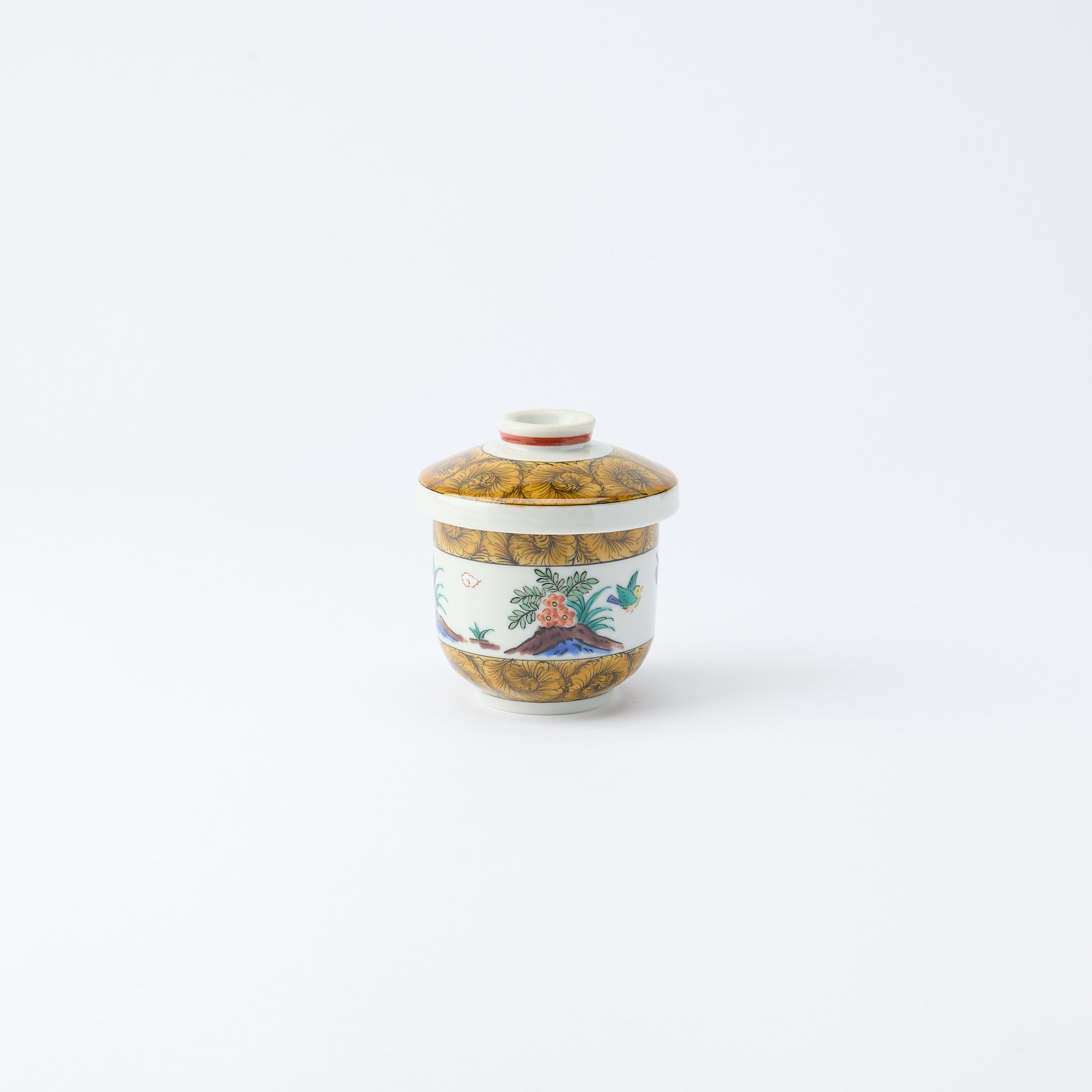
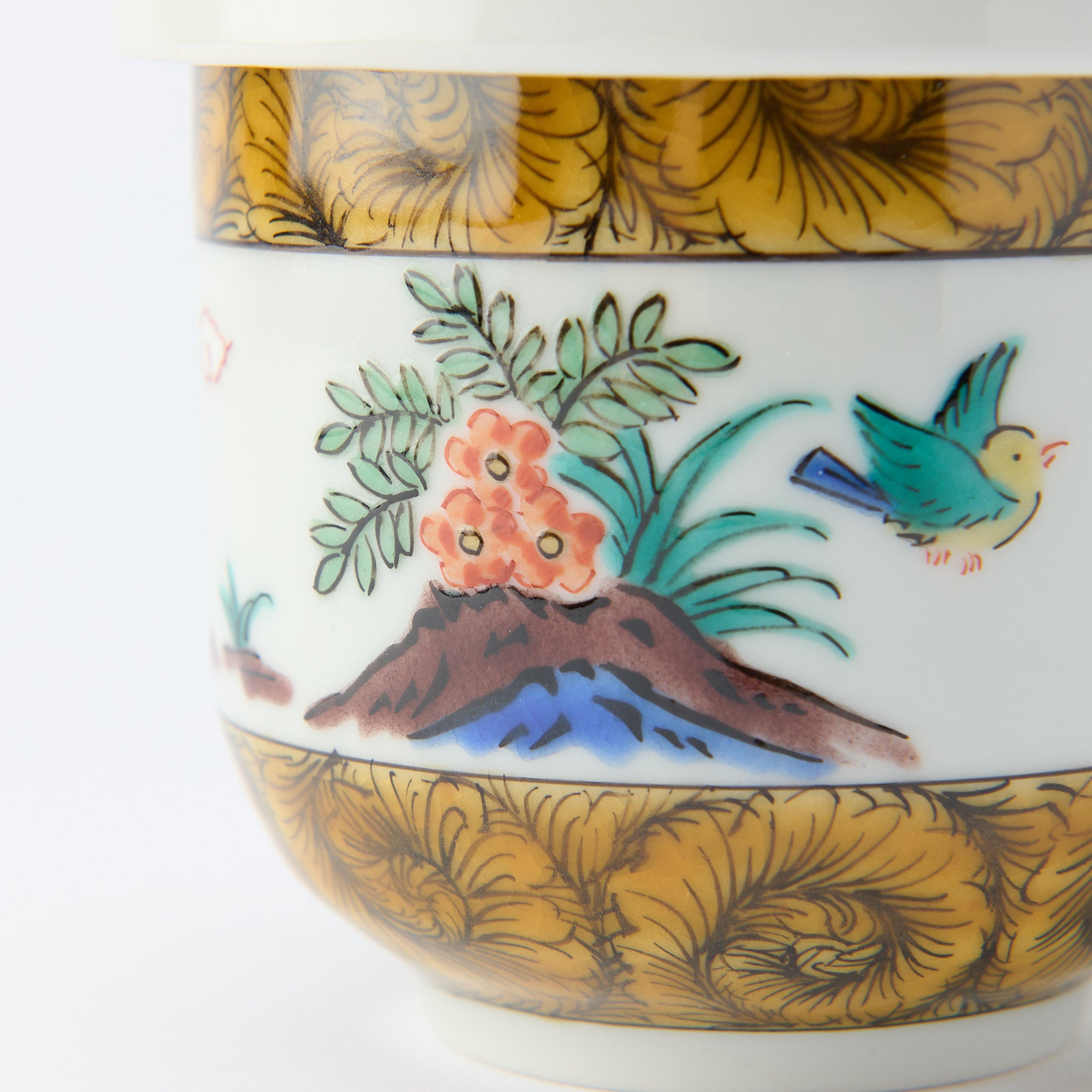
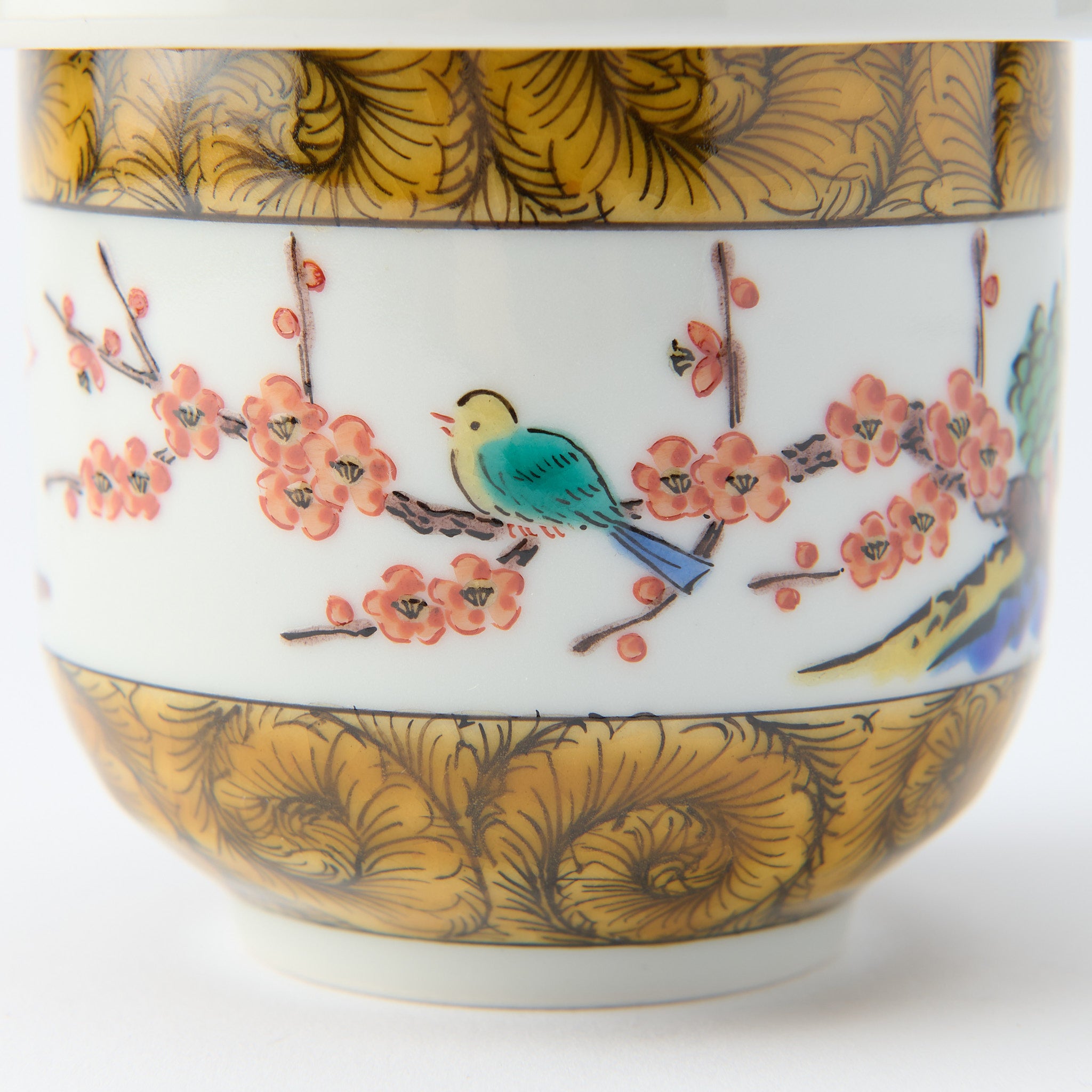
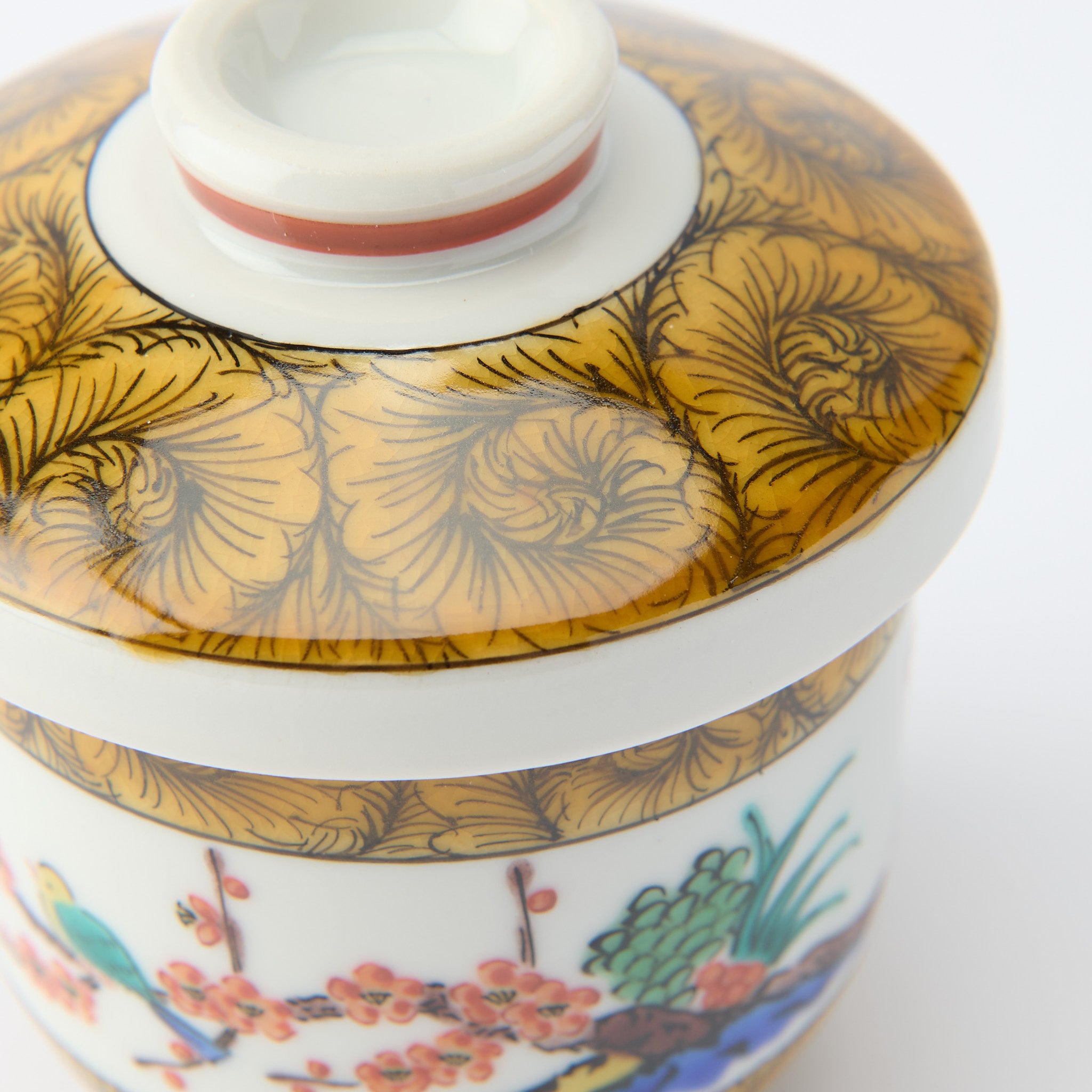
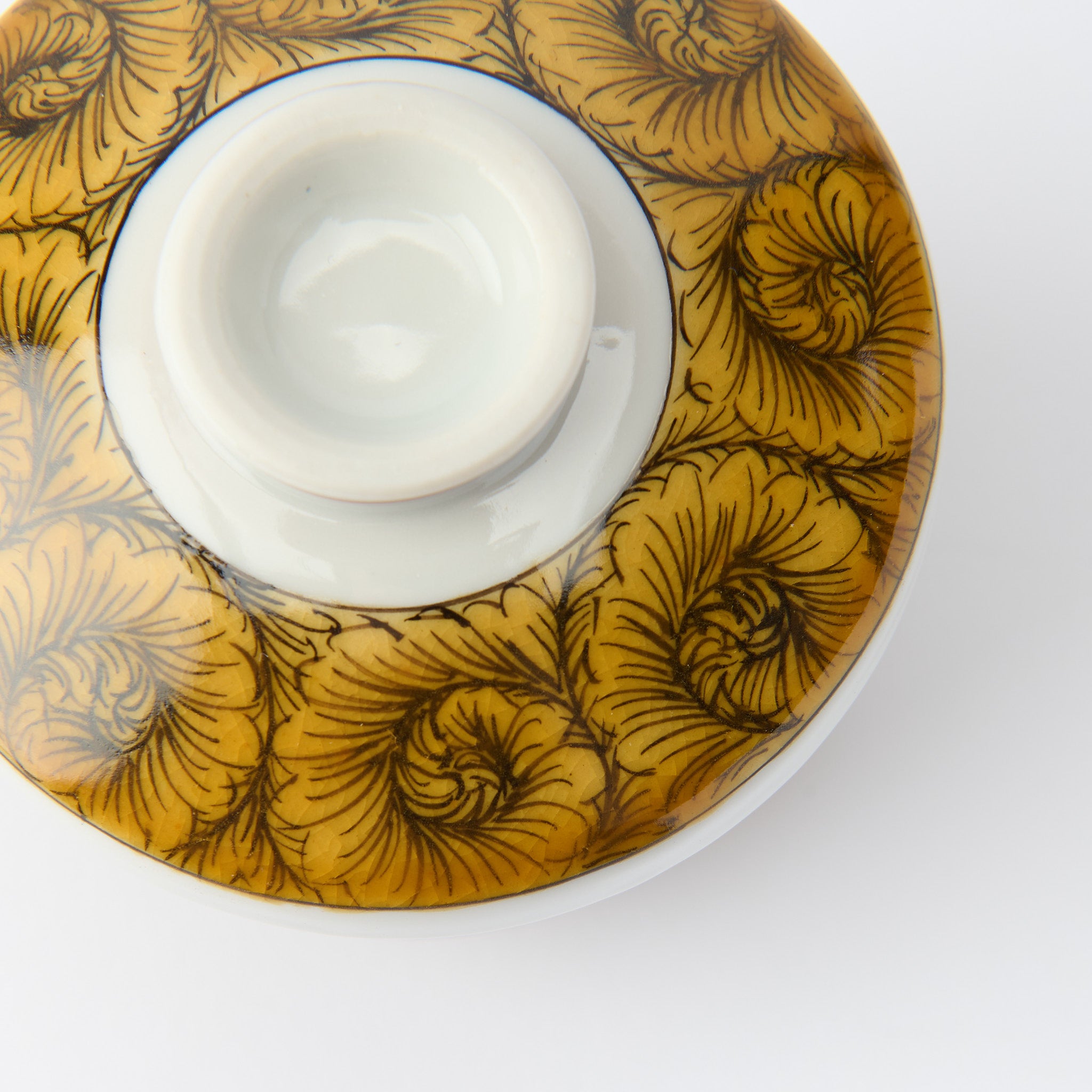
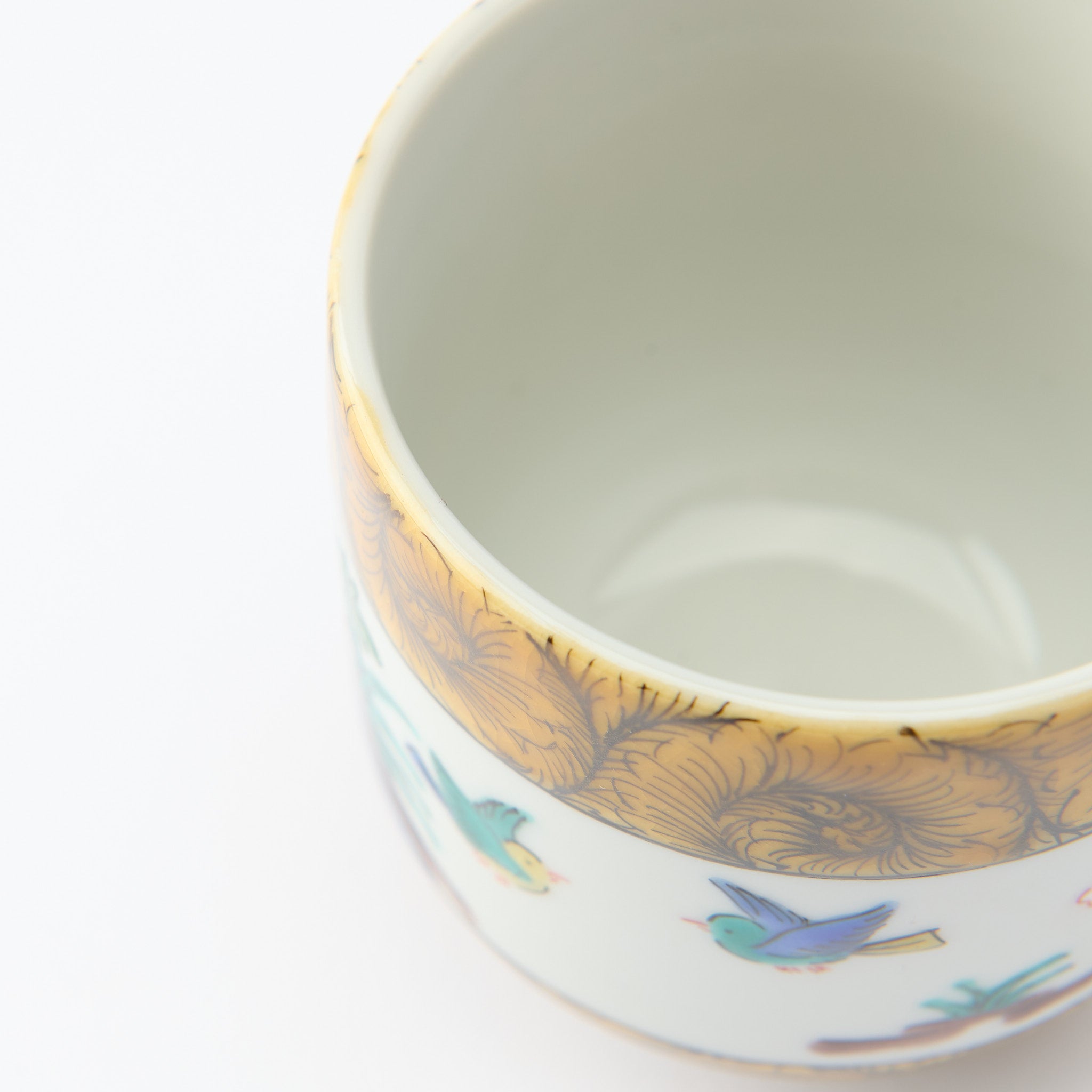
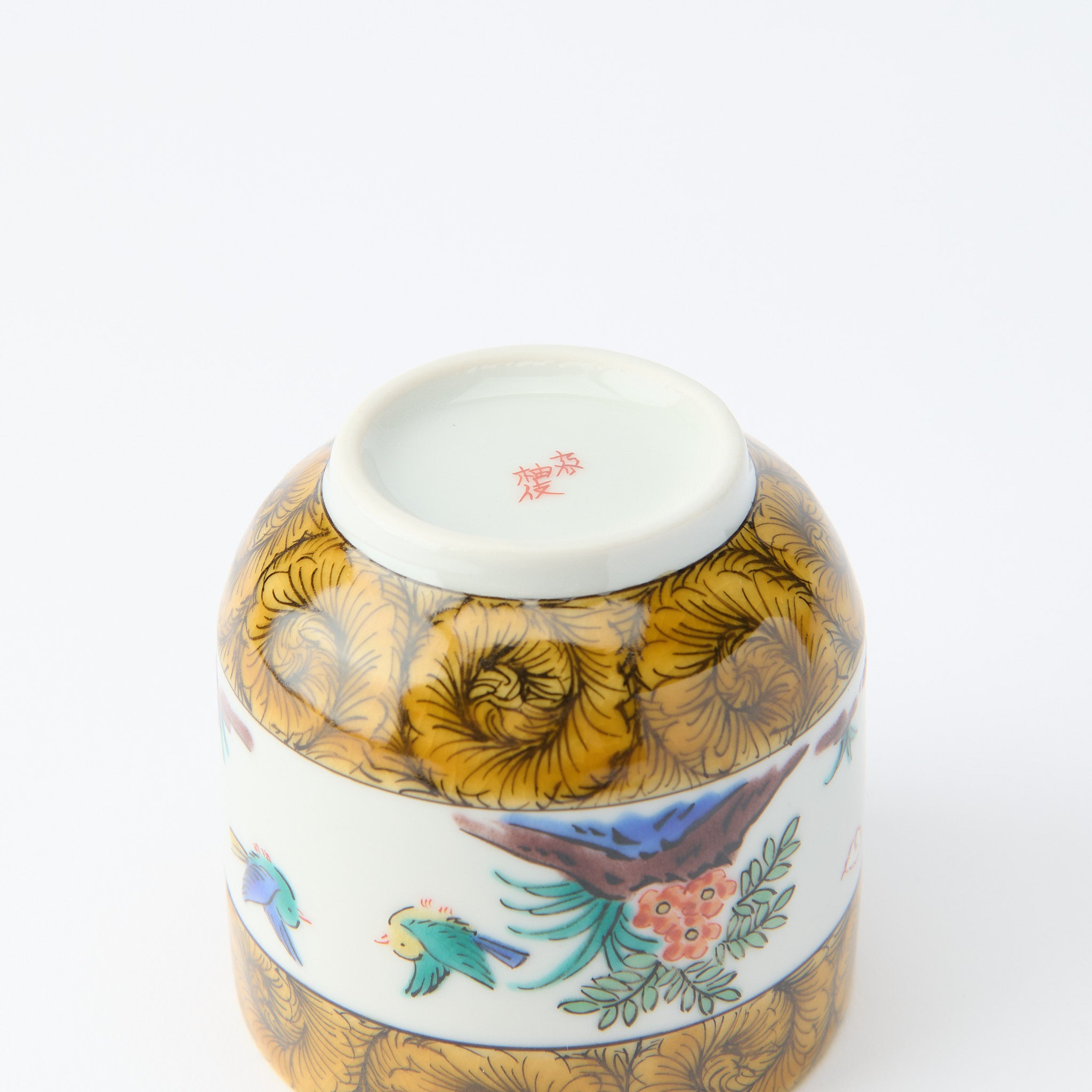
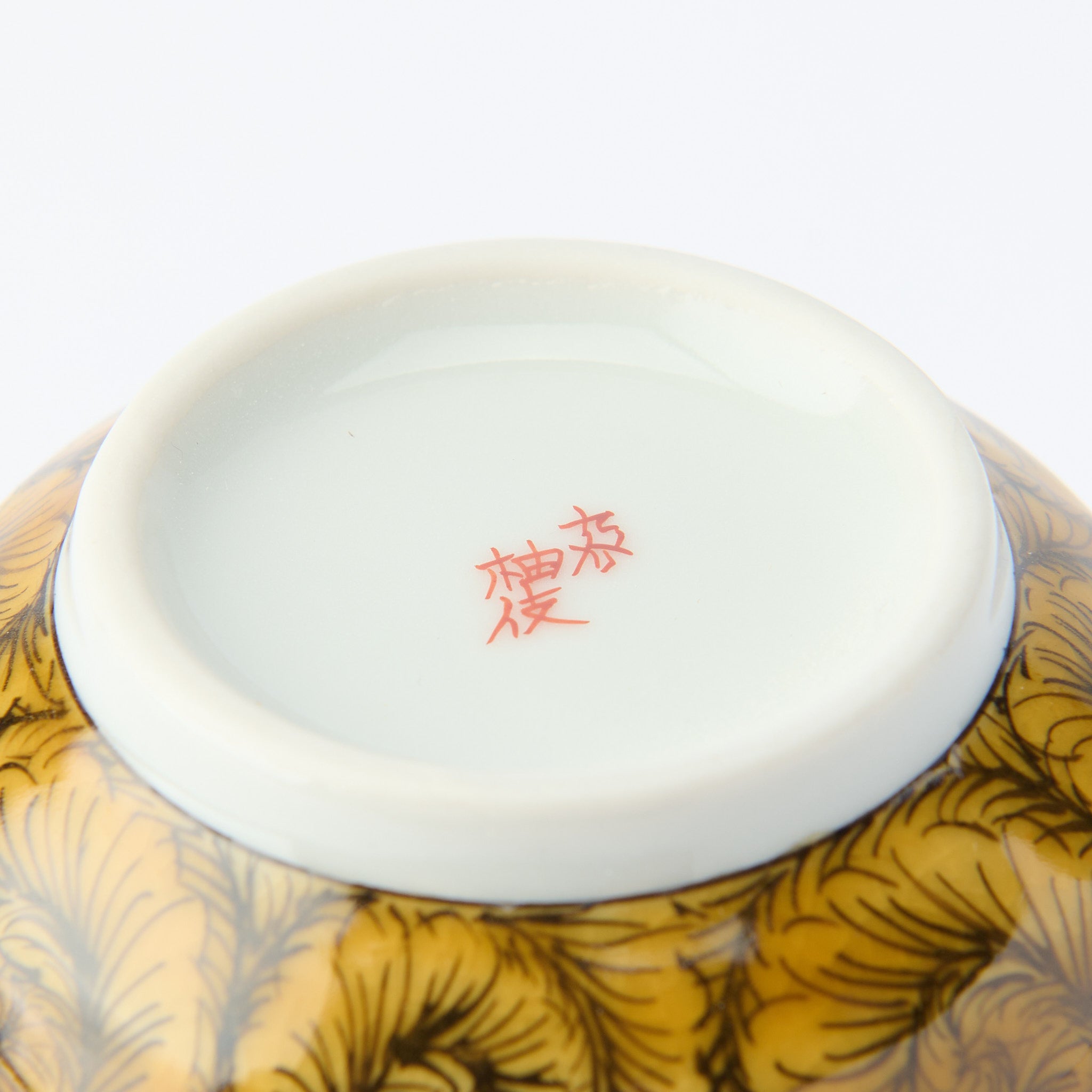
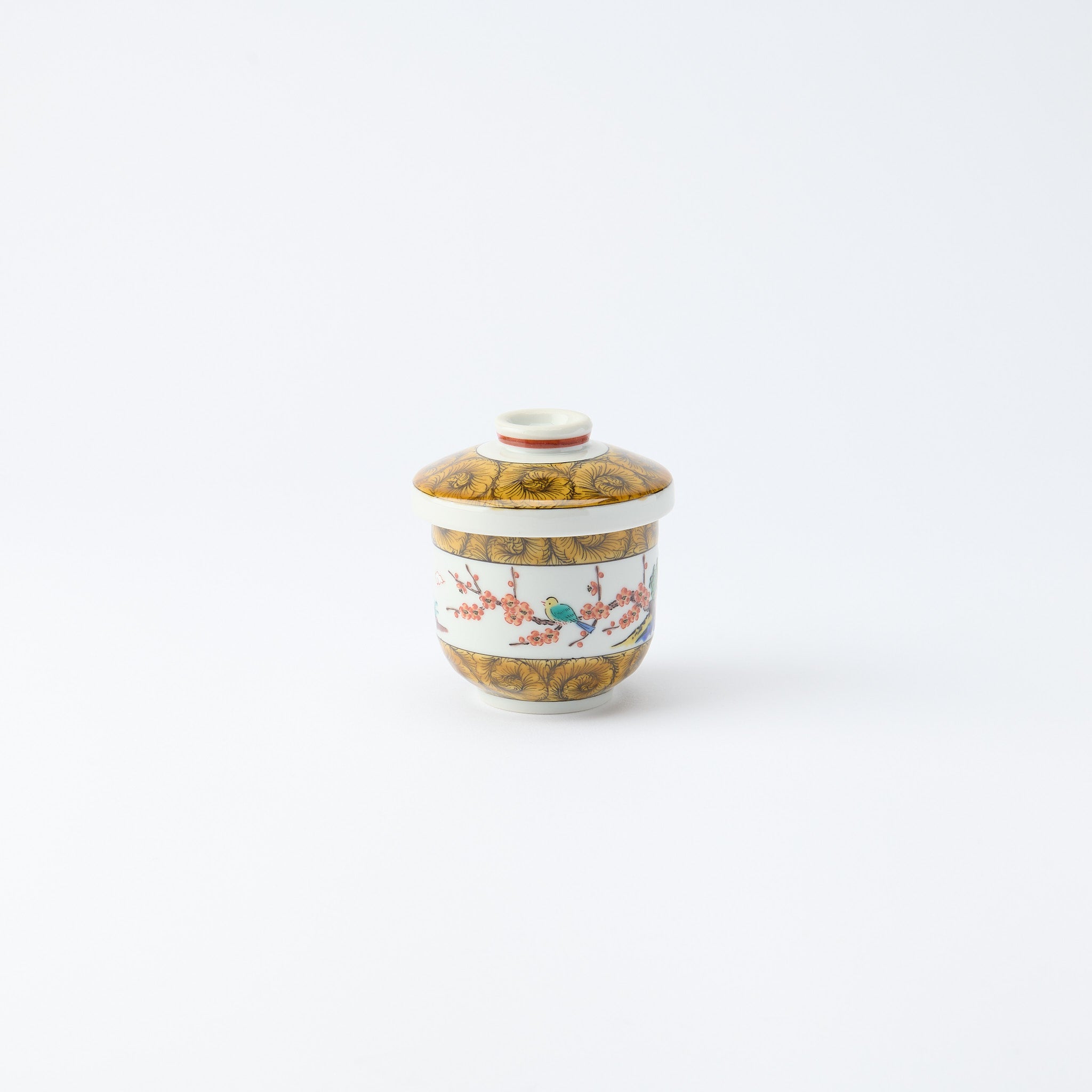
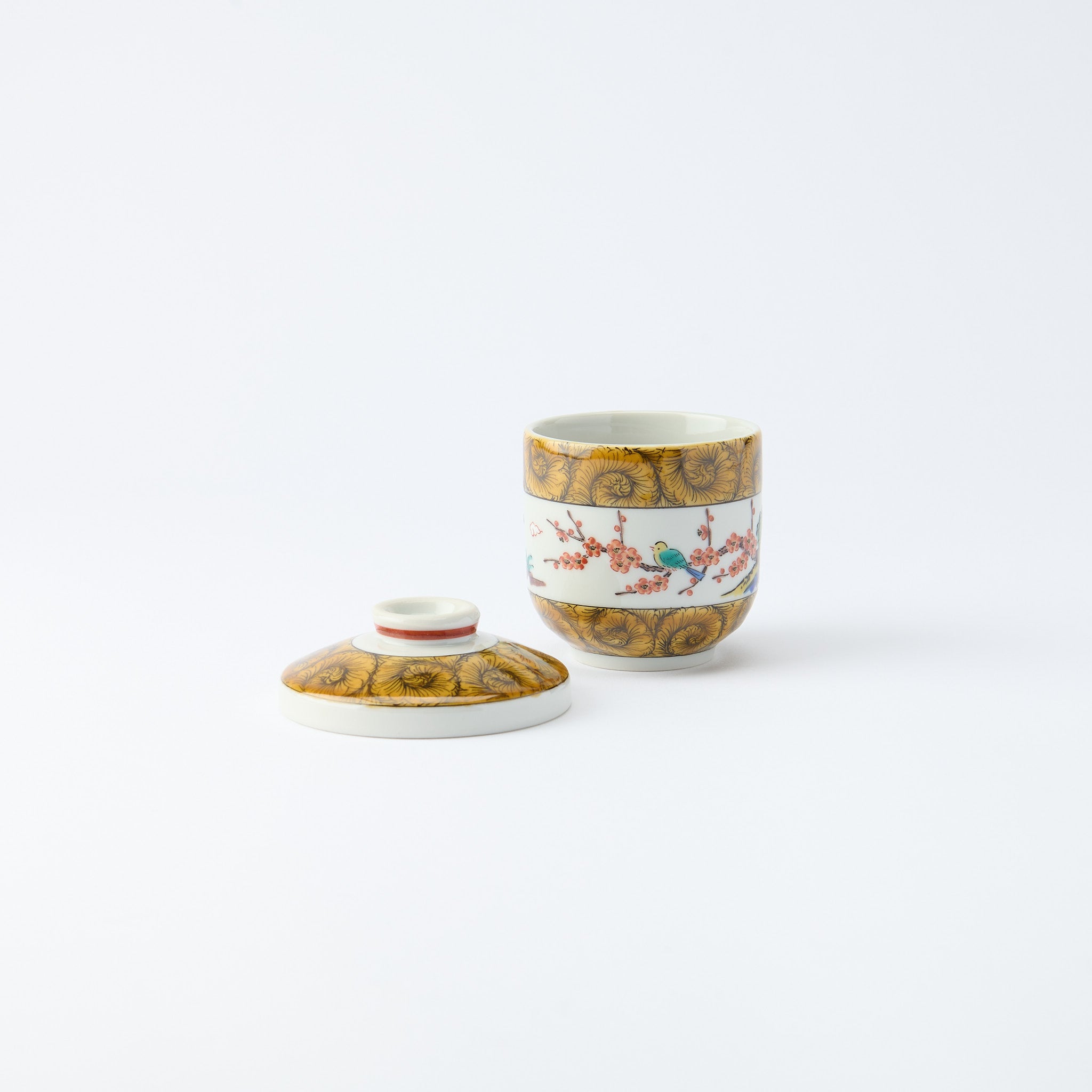
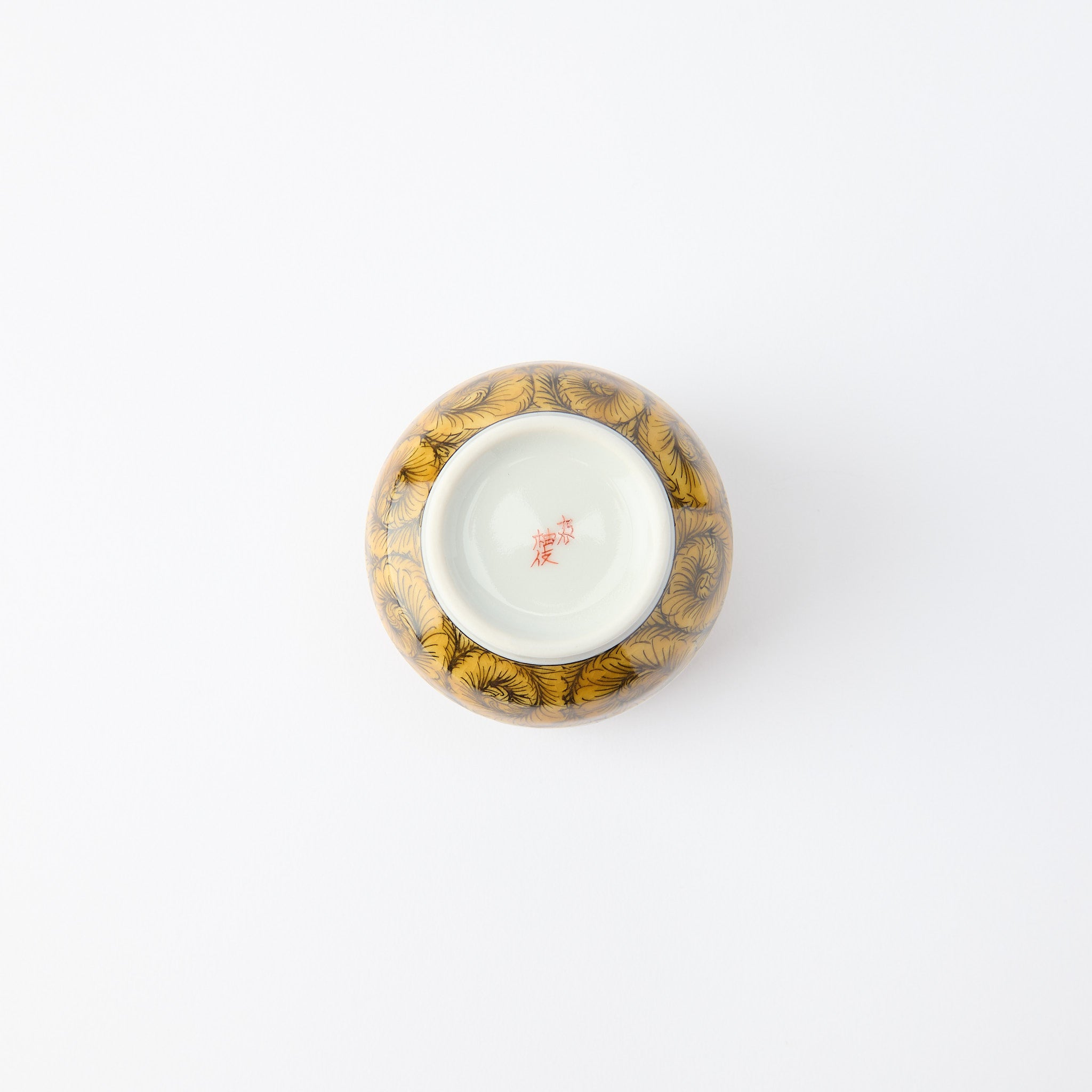
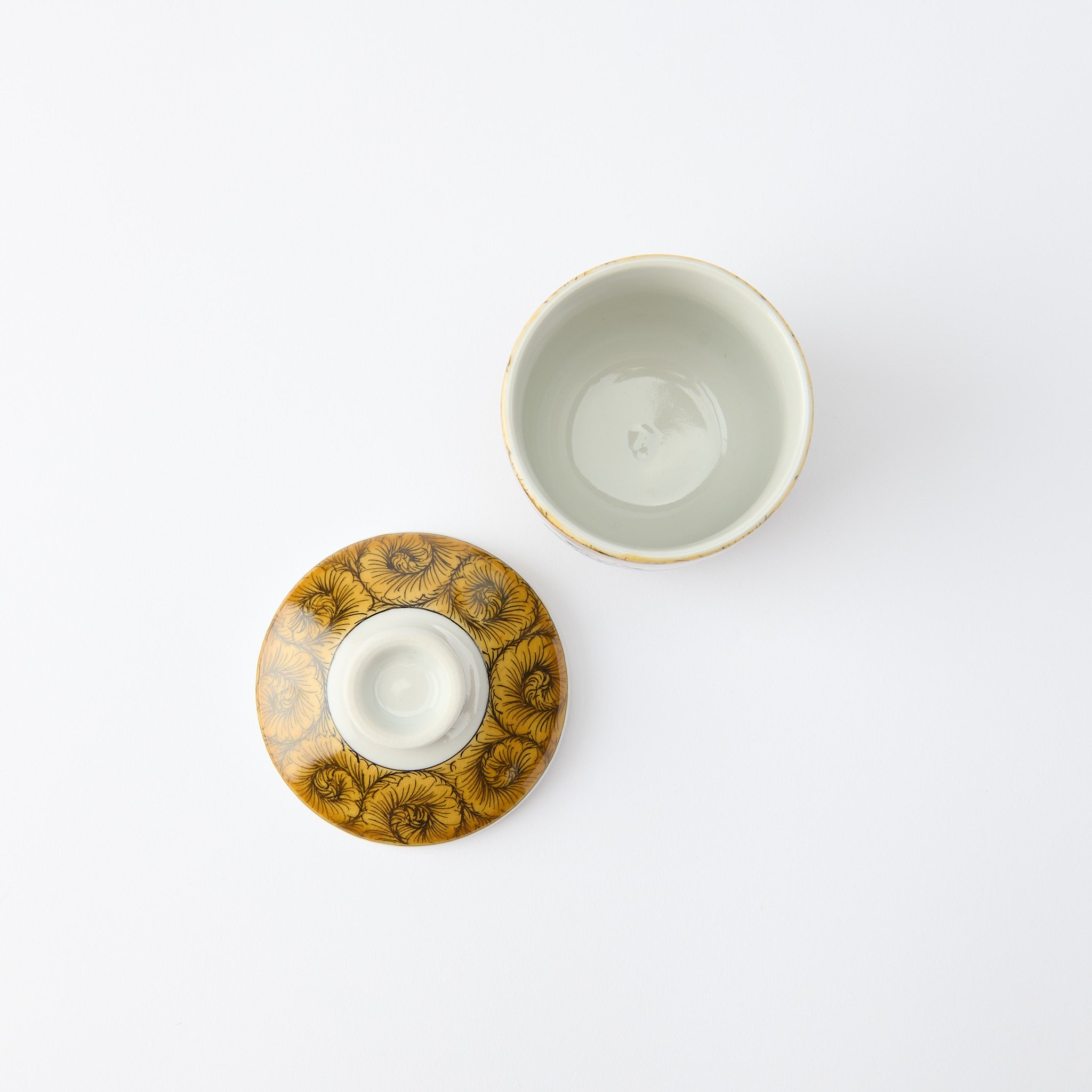
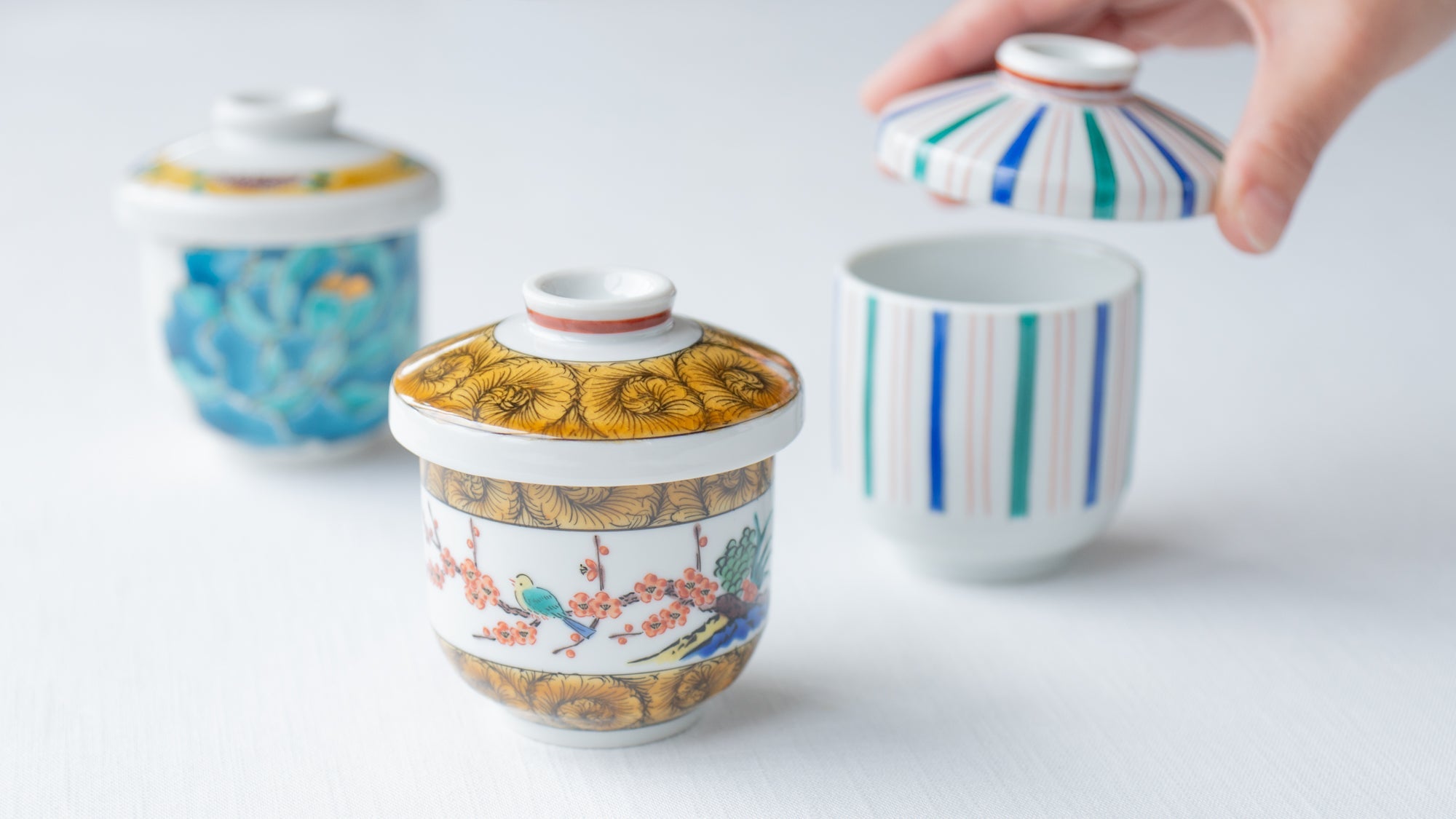
This elegant chawanmushi bowl is decorated in the ko-Kutani style and crafted by Kutani ware artisan Tanaka Yuki. A central landscape scene features small birds in flight and at rest among blooming branches and foliage. Swirling black patterns unfold across a muted, deep yellow ground, rendered in fine, hand-painted lines.
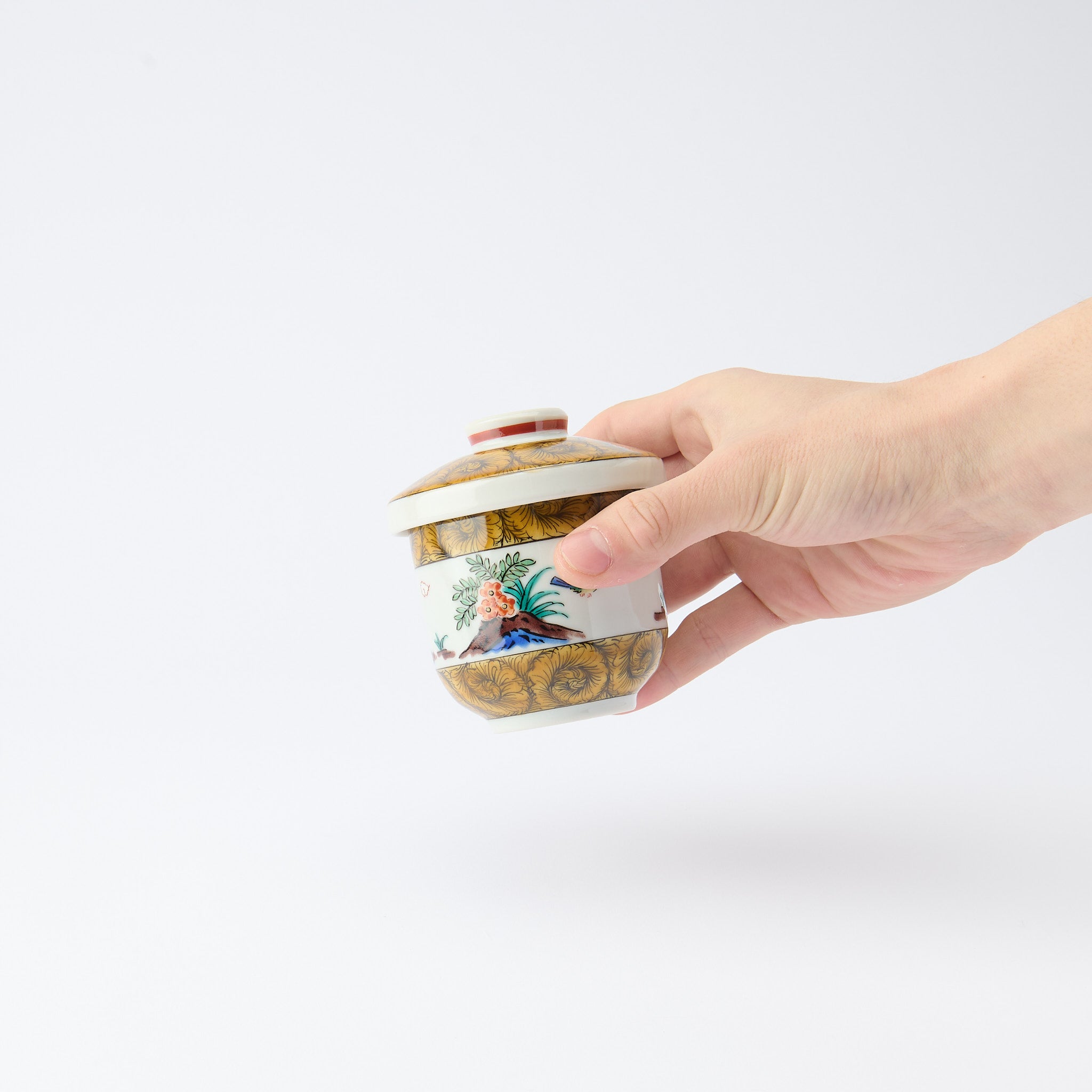
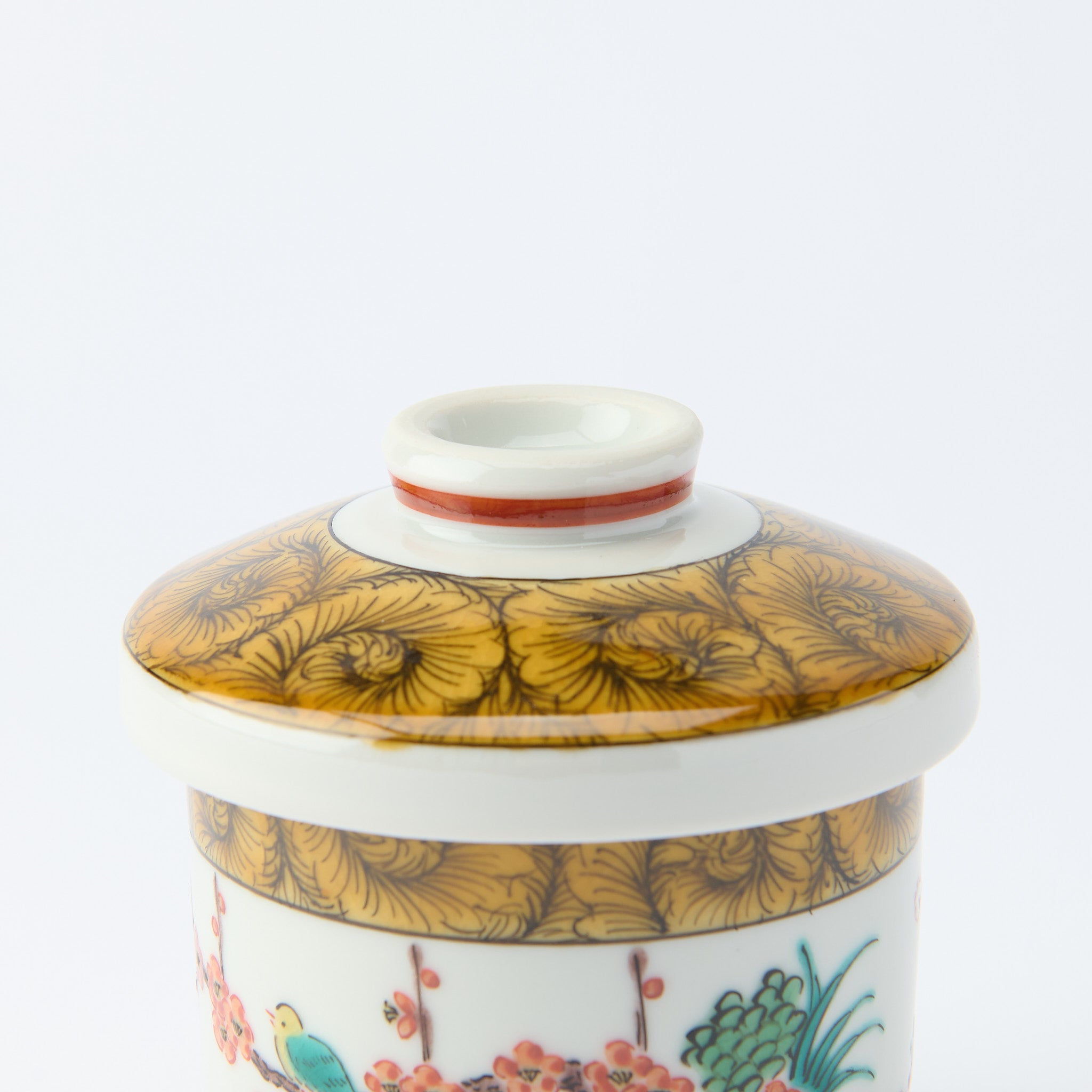
Chawanmushi bowls are made for savory egg custard, with a fitted lid that retains heat and aroma during steaming. The lid sits neatly in place, its handle easy to lift. Without the lid, this piece can also be used as a kobachi small bowl for serving appetizers or desserts.
DETAILS
| Quantity | 1 |
| Size | D 7.3 cm (2.9 in) x H 9.4 cm (3.7 in) |
| Capacity | 120 ml (4.1 fl oz) |
| Material | Porcelain |
| Package Type | Paper box |
| Microwave | Yes |
| Dishwasher | Yes |
Origin
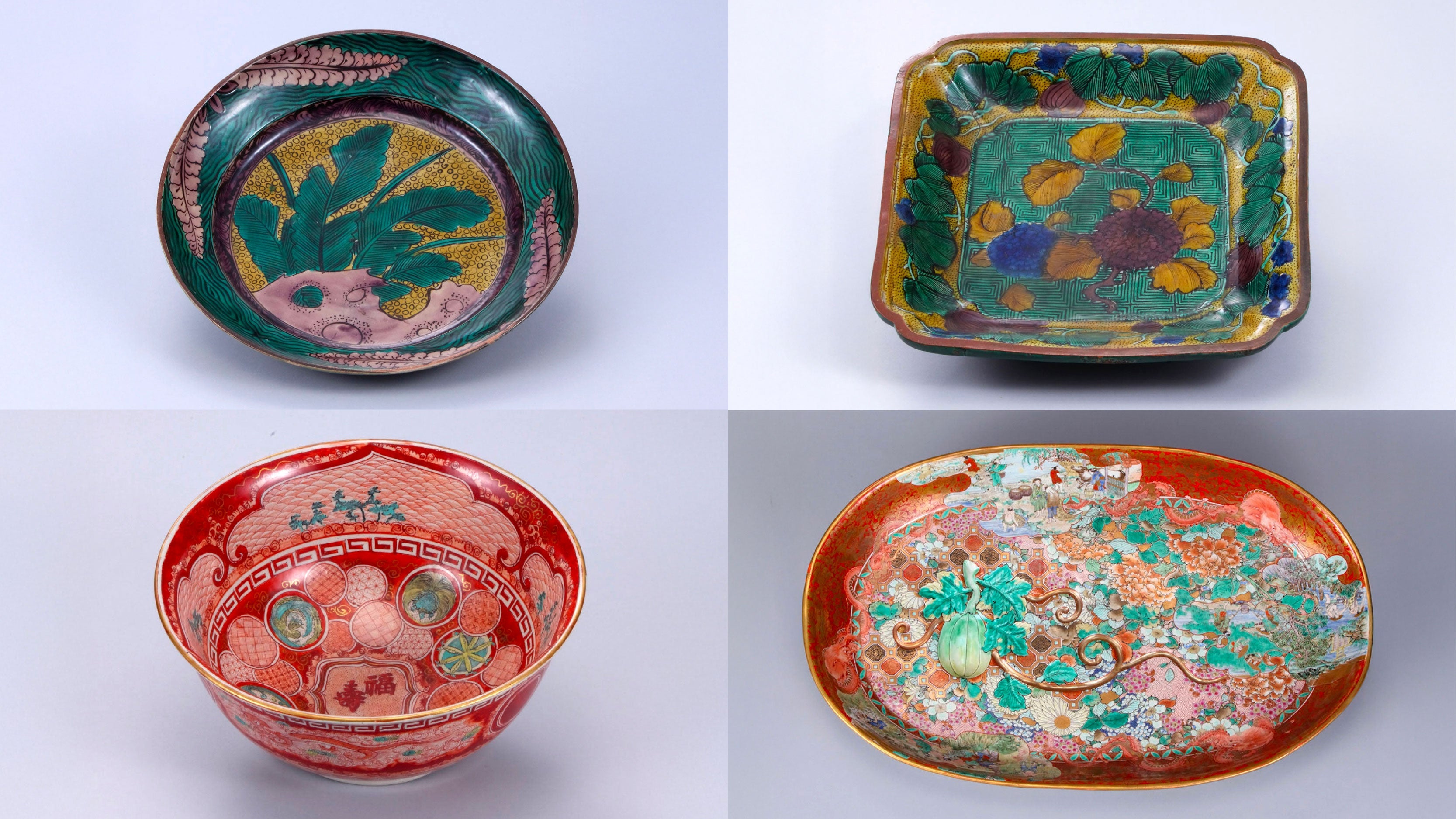
Kutani ware is a traditional Japanese porcelain from the Kaga region in Ishikawa Prefecture, with a history spanning over 350 years. Known for its vibrant overglaze enamel designs and use of five signature colors, known as Kutani gosai—navy blue, red, purple, green, and yellow pigments. This timeless craft has continuously evolved through generations of artisans who balance innovation with a deep respect for tradition.
Kutani ware exhibits a diverse range of distinctive styles, shaped by evolving artistic tastes over the centuries. Styles such as ko-Kutani, with its bold colors, geometric patterns, and painterly detail, and akae-saibyo, marked by ultra-fine red lines. Many pieces feature traditional Japanese motifs, such as kacho (flowers and birds) and sansui (landscapes), offering a timeless glimpse into the beauty of nature and the seasons.
Choose options
Estimated Shipping Widget will be displayed here!
Chawanmushi Bowls
Chawanmushi is a beloved Japanese egg custard, commonly served in single-serving chawanmushi bowls, lidded vessels designed for the dish. The lid plays a key role during steaming, helping to retain delicate aromas while adding a sense of anticipation as the chawanmushi inside is revealed.
Each piece is decorated in traditional or contemporary patterns, offering a distinct presence at the table. Beyond chawanmushi, these bowls lend themselves to serving other steamed dishes, small portions of soup, or even dessert.
Styles and Techniques of Kutani Ware
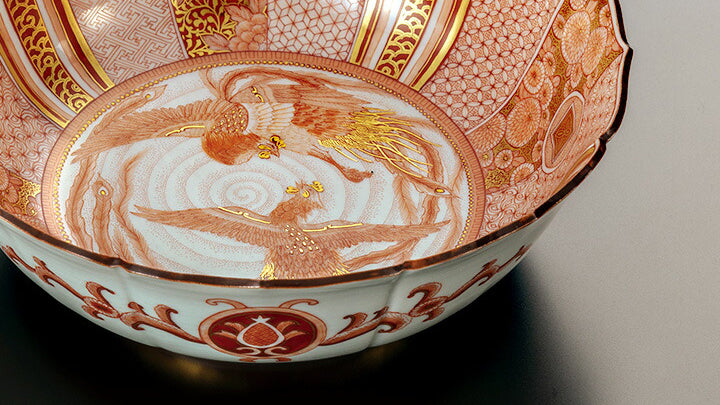
The History and Painting Styles of Kutani Ware: An Interview with Nakaya Shinichi, Director of The Kutani Porcelain Art Museum